The first year group of Wild Wisdom School – the pioneer group – has now reached the end of its 2nd year in the journey of the Western Mysteries. We started our day together looking back over this 2nd year, noticing any memories that stand out and sensing where the journey has taken us today. Sam asked us to name a few words that came to us; the words that came very strongly to me were community, friendship and love.
We witness each other as we ride the ups and downs of life; we cry tears of sorrow and joy for each other’s sharing as much as our own; and we hold each other in a space that welcomes, grieves and celebrates life.
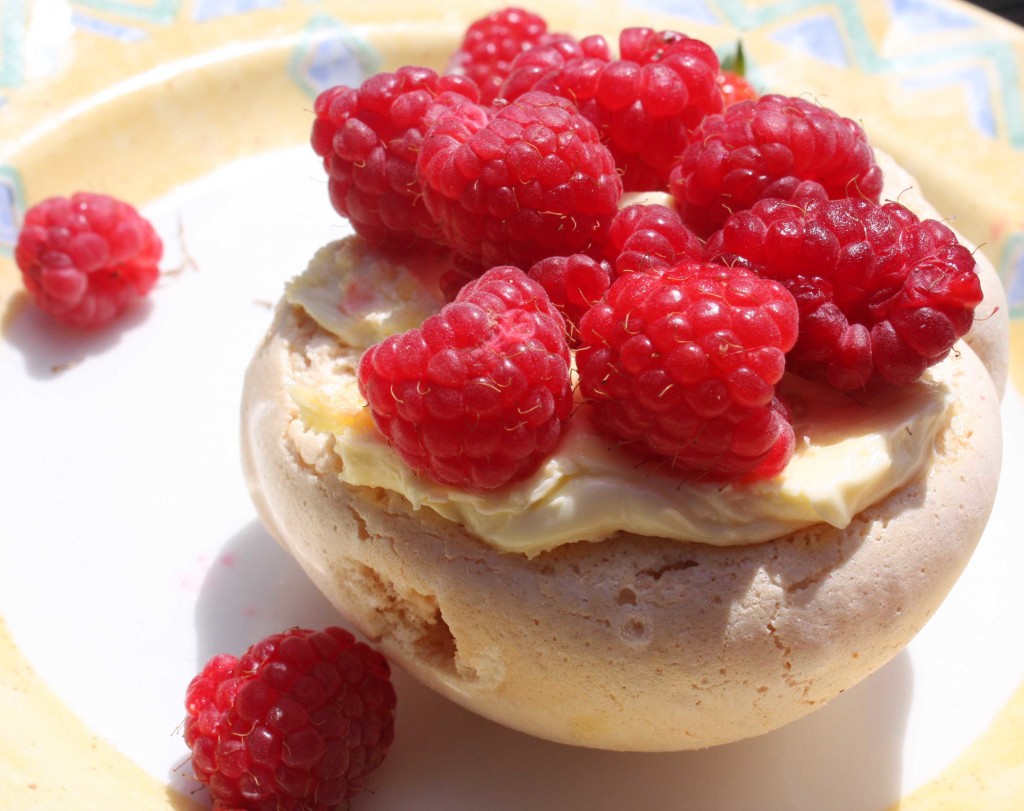
Scrumptious treats in the middle of our day – meringue made by Helen and raspberries gathered from Sam’s garden
Brought with us today was also a shared disturbance from the very conflicted human landscape that ills our country and our world. One person echoed something Sam said a while ago that “our society doesn’t know how to love”. There was a shared feeling of gratitude both for the sensitivity of the heart to feel the disturbances of our world, and for the small expressions of humanity such as this one; a small society that does know how to love and the importance in keeping these spaces alive.
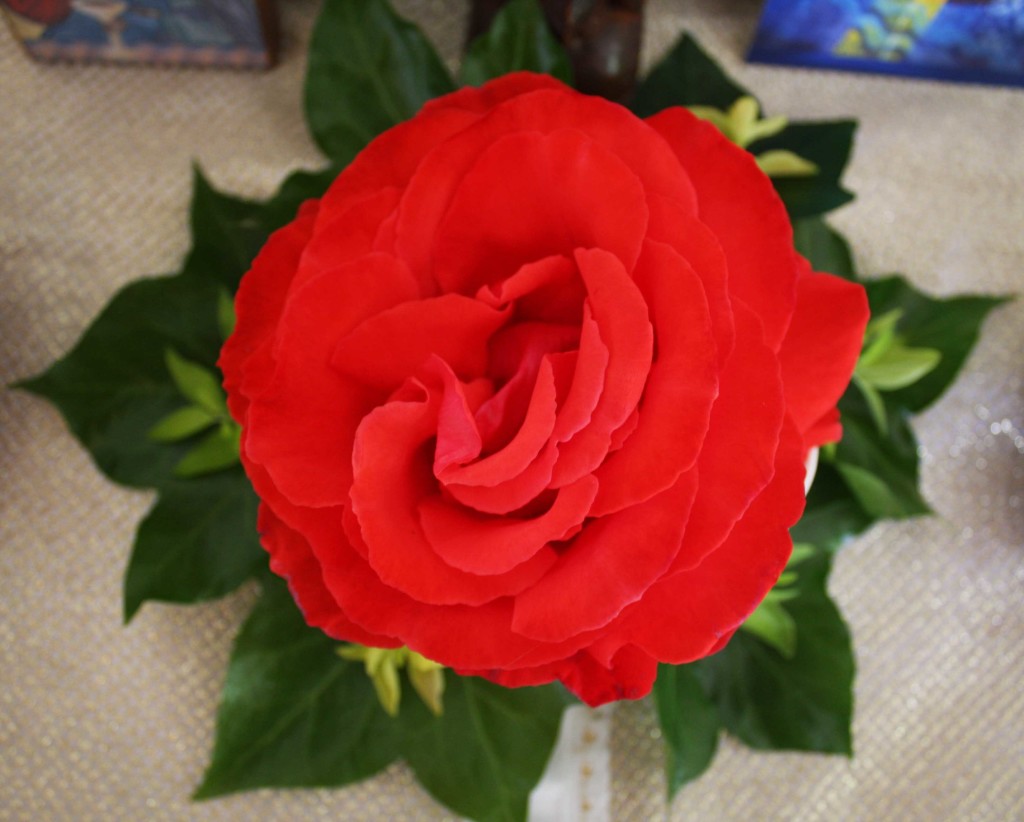
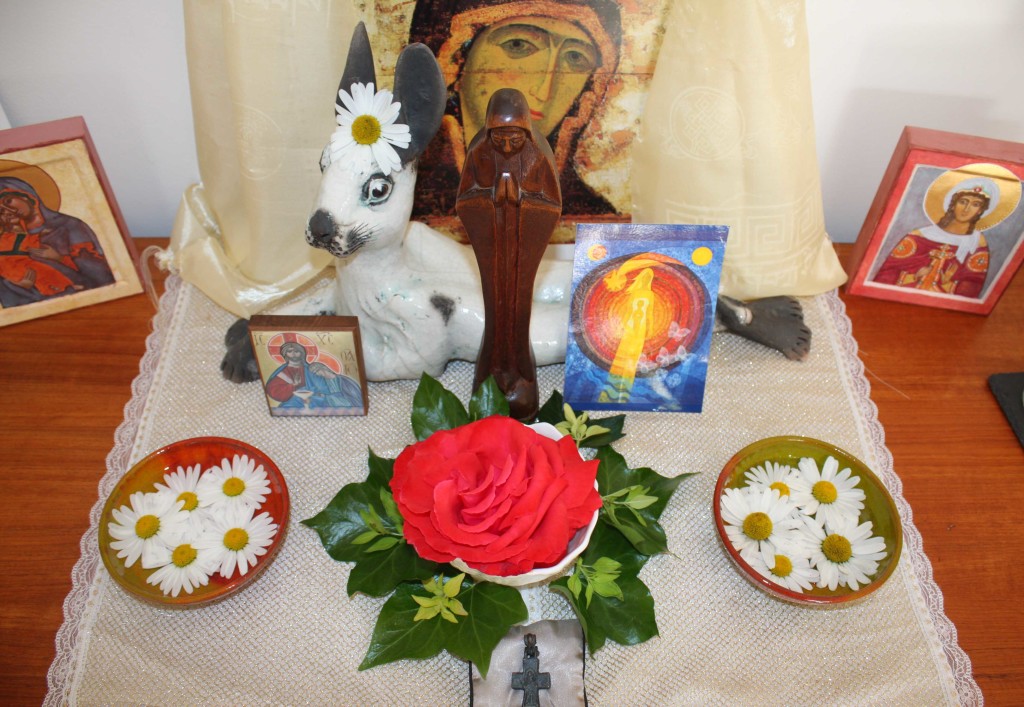
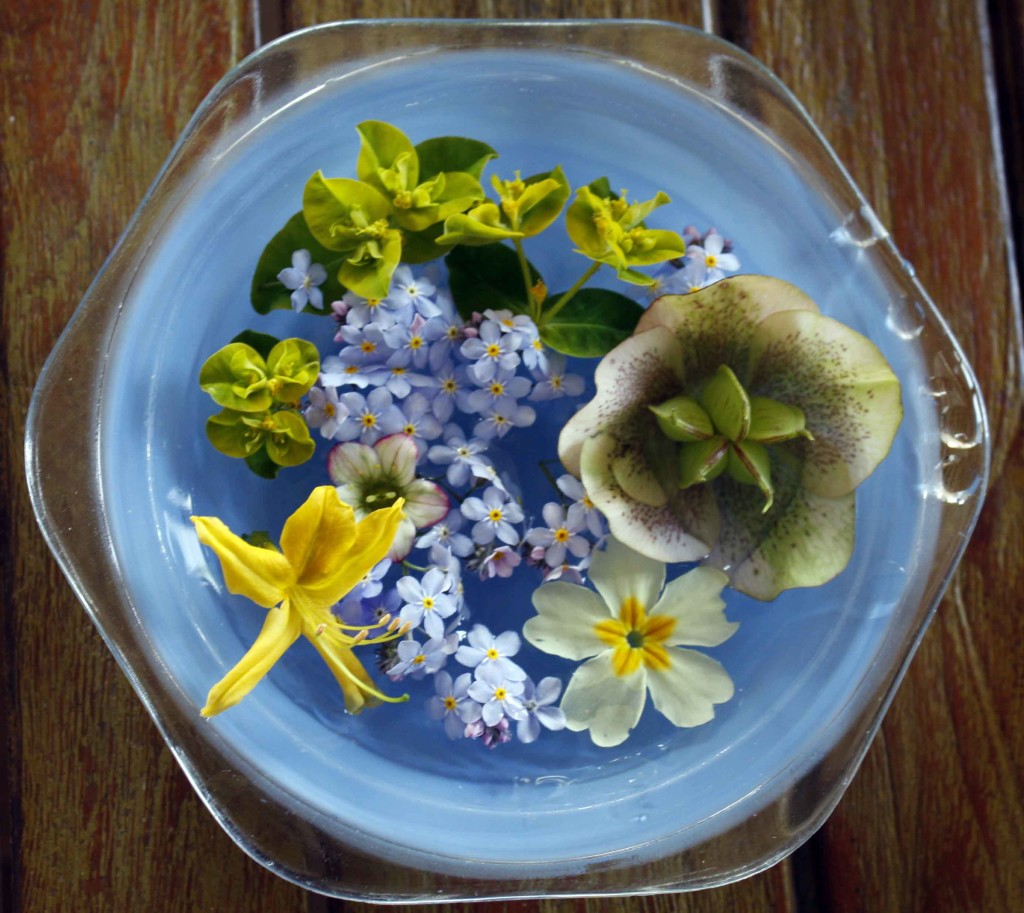
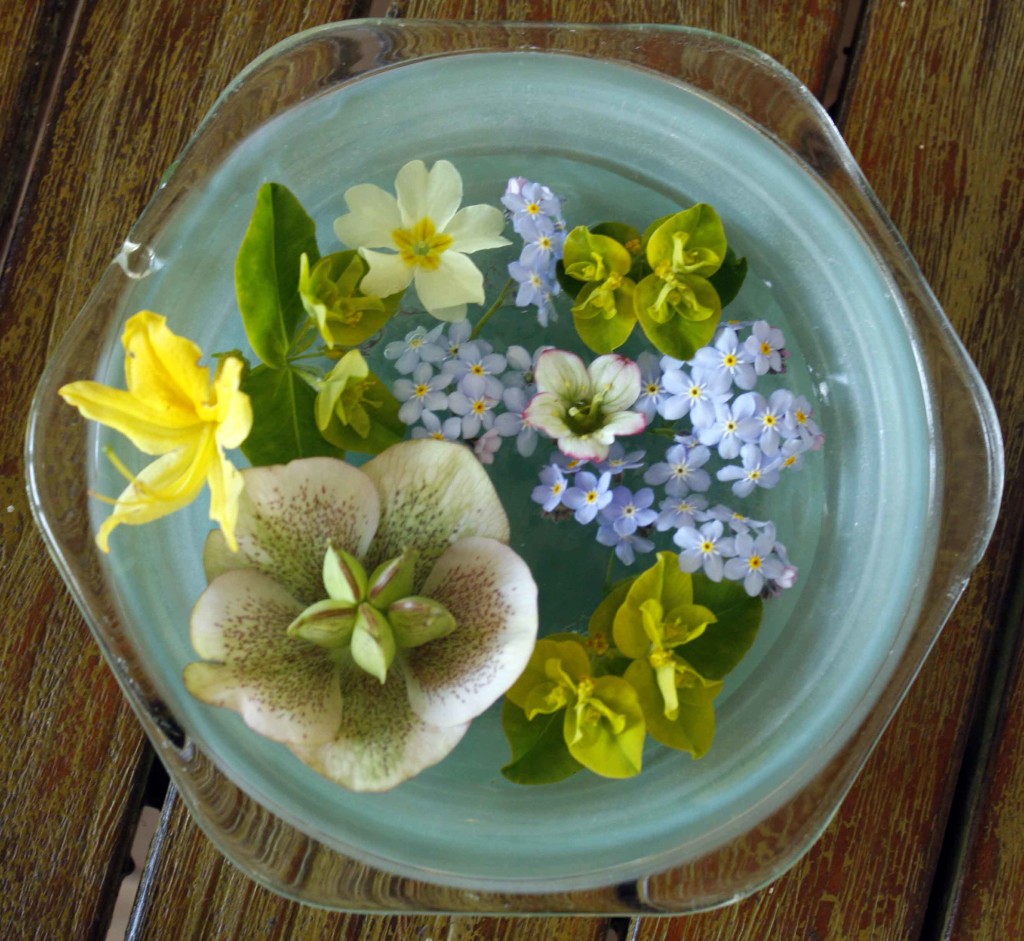
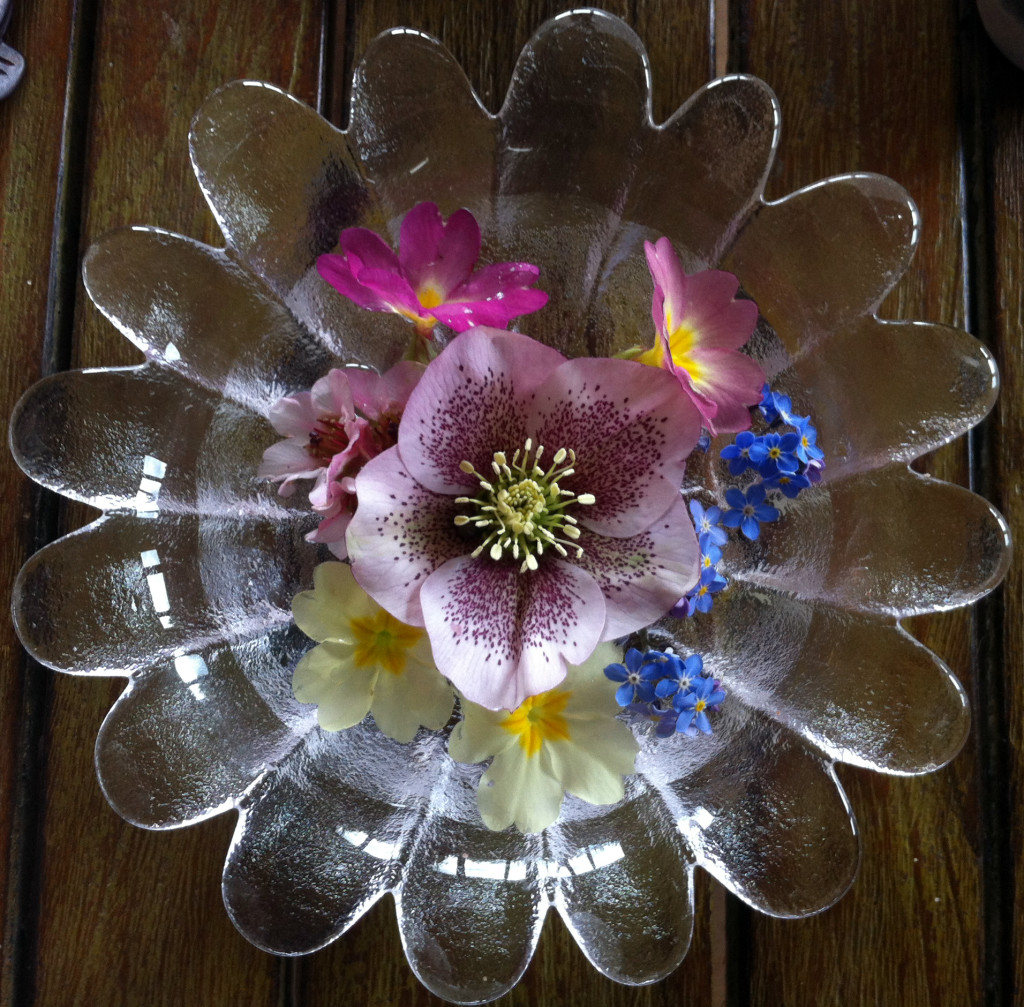
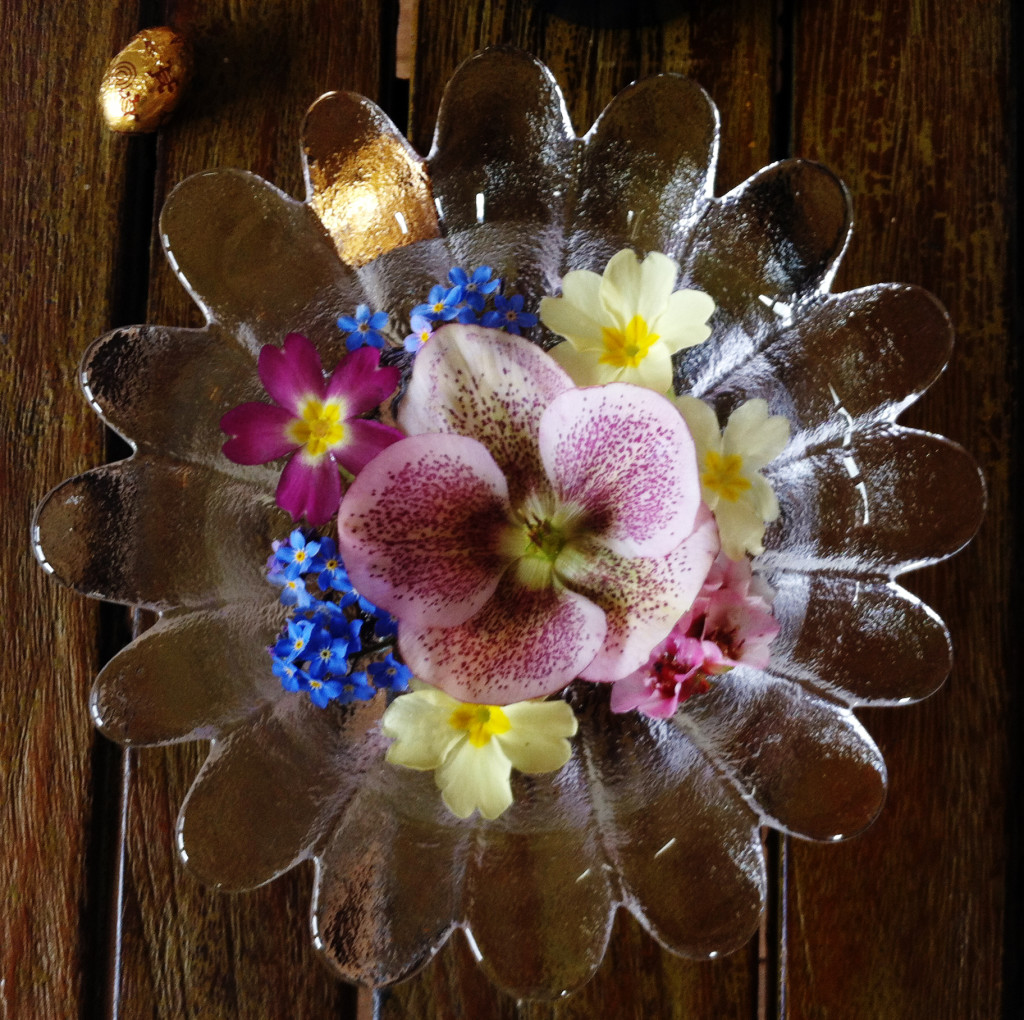
Our altar created for the day
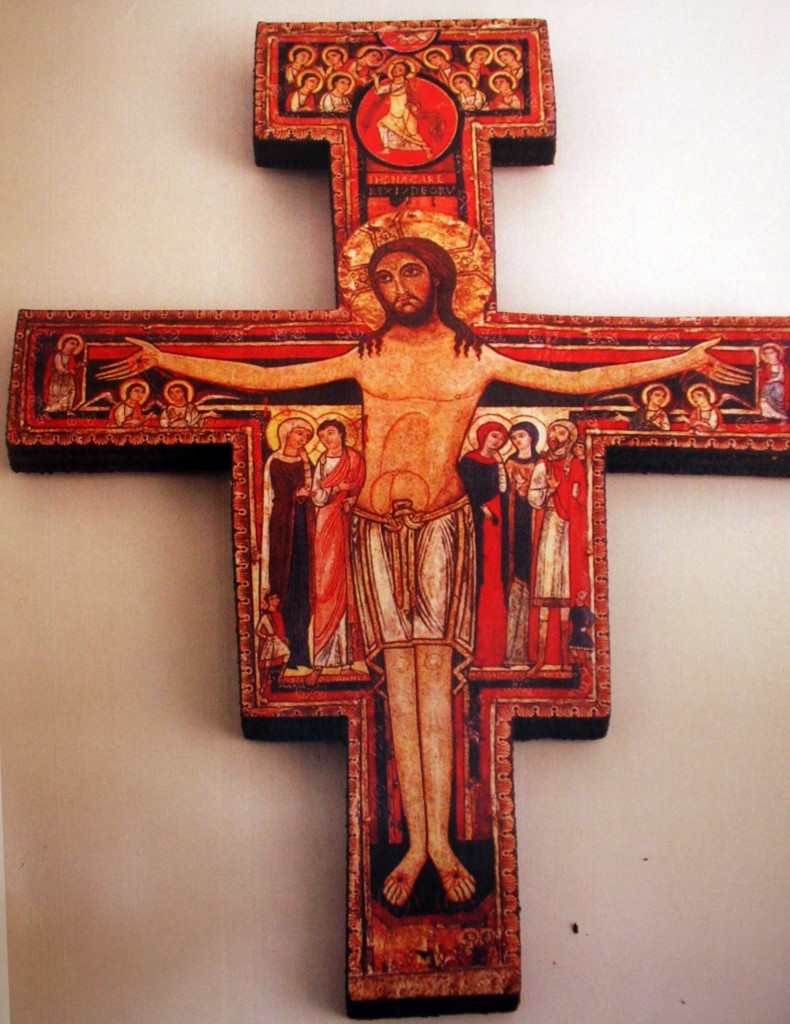
Our theme today is Franciscan Spirituality, and our story is that of Clare and Francis who are the founders of this wild and beautiful stream within the Christian tradition. Sam told us their story, but in keeping with our intention of restoring the Divine Feminine, we heard it through the perspective of Clare. Through icons and images, history and imagination, we travelled to 12th century Assisi in central Italy’s Umbria region. Theirs is a story of choosing simplicity over wealth, knowing that in this choice there is a greater abundance to be discovered, and much greater riches than those the Catholic Church had become corrupted with.
While Clare is still a child, Francis is busy rebuilding a dilapidated church outside of Assisi, on the words he hears from Jesus to ‘repair His House’. Taking these words literally, Francis begins with the rocks on which he stands. I felt moved and driven by this image of humility and pragmatism. He didn’t set about ‘changing the world’. What he set about doing was building a church in which his spirit could find inspiration alongside his brothers and sisters, and from which they could serve the poor and vulnerable. It just so happens that in this authentic dedication to the teachings of Jesus – to love and service – they started a movement that spread across the world. To me, the Franciscan way feels true to the lineage of Jesus. They carved out a new stream, or perhaps unblocked an old stream, in which living waters did and still do flow.
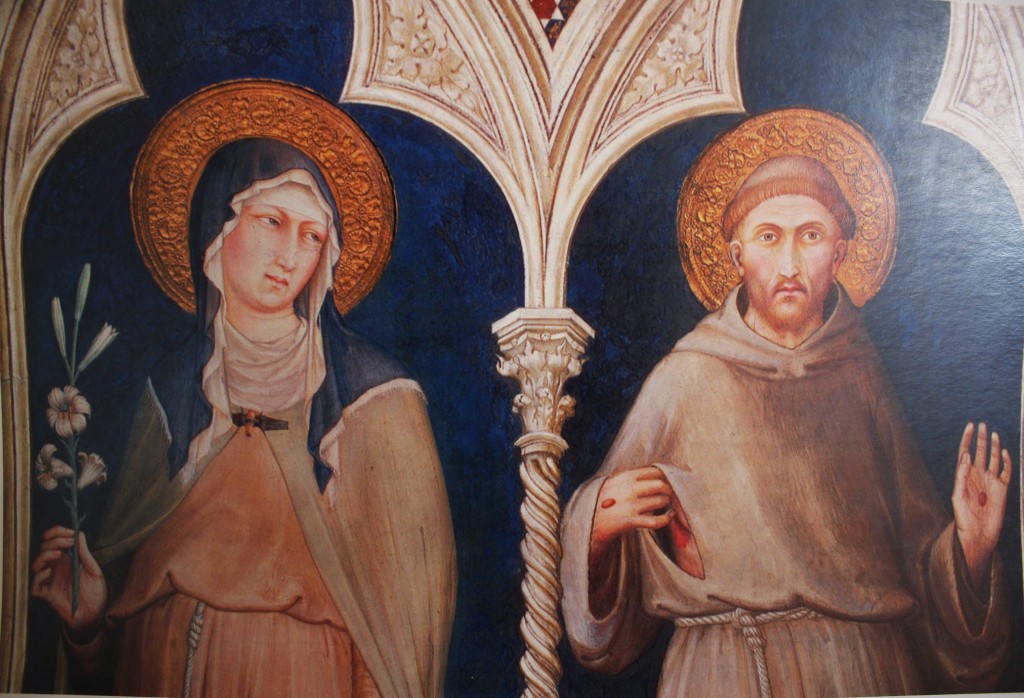
An icon of Clare and Francis.
The cross St Francis was gazing upon when he heard Jesus ask him to repair His House.
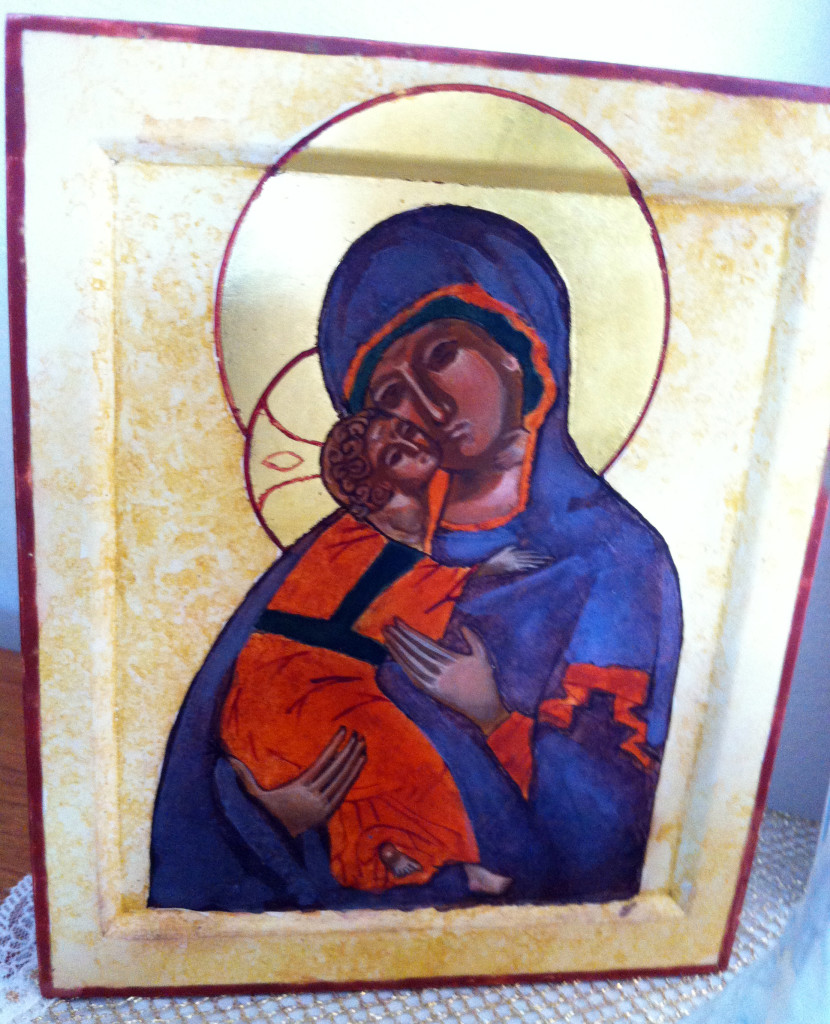
For our quiet time today, Sam shared with us the practice of ‘gazing’ and invited us to choose an icon we’d like to gaze on – either a traditional painted icon, or simply an image, or something in the natural world. This is an ancient spiritual practice, which was particularly strong before access to scripture was made widely available, when icons were the main access point to the Divine. It is a practice of setting one’s eyes onto an icon and lingering there, perhaps for half an hour or more. Here is Kengo’s reflection on this practice:
There’s something about that wide-eyed gaze that opens me up to connecting deeper.
I use it in my Nature-connection practice, softening my eyes, letting go of the specific or the intellectual, allowing the full richness of the world to flow through me.
Now, I gaze into the eyes of a human figure, lovingly depicted, her head tilted to one side, dressed in exotic robes and a gilded aura around her head. These images are familiar, yet unfamiliar to my personal spiritual practice. But as I gaze on, her robes, the iconography, even the iridescent gold falls away, leaving only those eyes, looking back at me.
And there, came the connection; with all the feelings and emotions I have felt through someone’s eyes. The pains, the love, reflected back.
And in this ancient image from a far away land, I touch something universal, unbound by time.
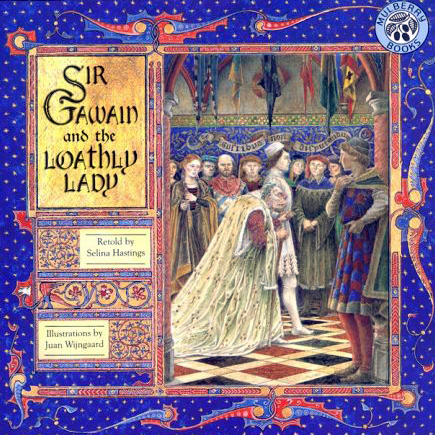
We started today with our practice of self-reflection; travelling back to the last time we met, checking in with where we’re at today, and imagining ahead to the story of ‘The Loathly Lady’. Within the rich and varied world of King Arthur, The Loathly Lady is one mythic motif amongst countless others, and it is our doorway into the imagination today. Before meeting the hag in the story to whom the story owes its name, we looked towards the ‘loathly’ aspects of ourselves; areas of our character and our life that are perhaps neglected and calling for our love and attention. We also asked ourselves at the beginning of our day together, ‘what is it that I need from today?’. There was a common theme of needing to feel connected, needing soul friendship, needing community and needing to feel that we belong. As beautiful as it can be at times, soul work can also bring loneliness as the soul invites us into decisions that sometimes sever relationships, or draws us down paths that are distant to that of others. There was acknowledgement and deep appreciation for the community that we feel amongst ourselves in our Wild Wisdom School, and how essential this is for each of our unique but interconnected soul journeys.
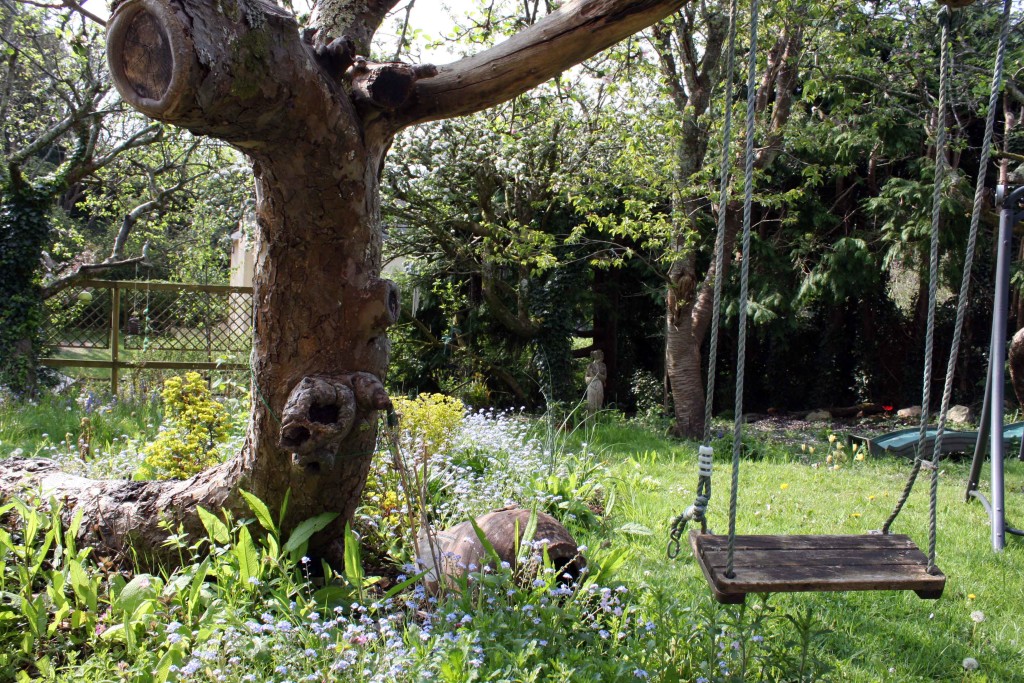
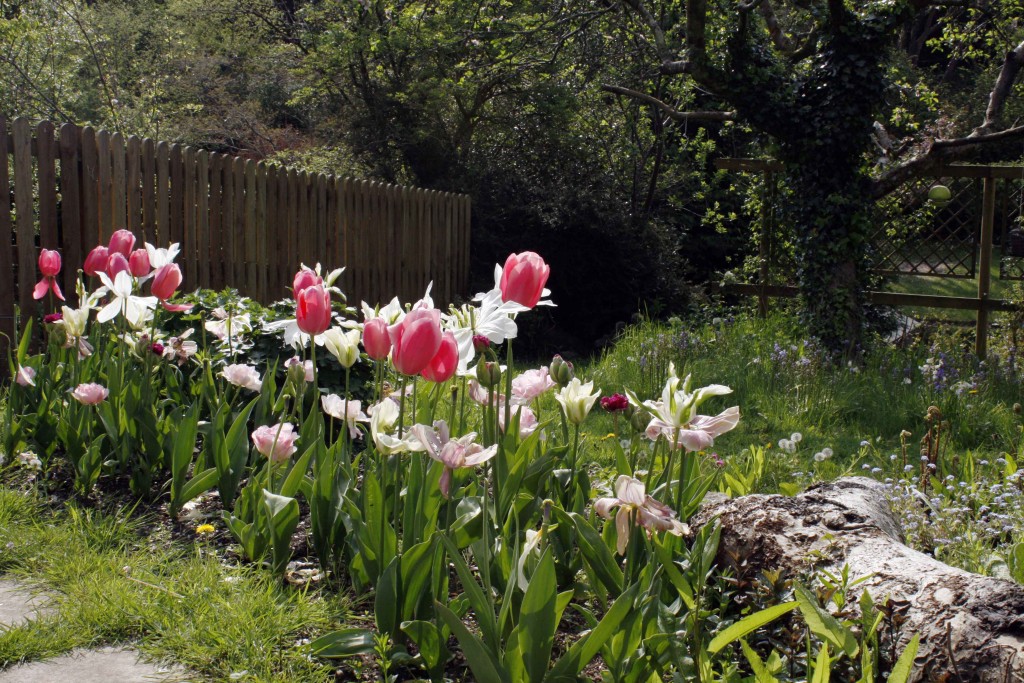
Our wider community in the garden of Wild Wisdom School
Moving into the story itself, we followed Arthur’s quest to discover the answer to a question given to him in threat of his land and ruling. The question was this… “what is it that women most desire?” After asking many women and receiving as many answers, he finally receives the one true answer from a hag – ‘the loathly lady’ – who asks for the marriage hand of one of his treasured knights in return. Arthur accepts and offers her Gawain, and then receives her answer which is this… what women most desire is the freedom to make their own choices, their own power, their own sovereignty.
This is a story I have heard a few times now since I arrived in the storied land of Devon. The first time was during a pilgrimage on the moors that I took with my fellow students at Schumacher College as we began our exit from the college and into the world. Martin Shaw came to visit us one evening and brought with him this story. Being with many non-native English speakers, the most prominent question after the telling was ‘what does sovereignty mean?’. Interestingly, I actually had this same question in my head too but I felt stupid asking. I knew what it meant on a political or societal level, but it is less familiar on an individual level, and I see now requires an unravelling of meaning. In our Wild Wisdom study pot, we unravelled the idea of what sovereignty really means, leading to us asking ourselves “What is my sovereignty? And what do I have that I can share in the service of all beings?”
Moreover, within the many layers of meaning and symbol of the Loathly Lady, the hag is often seen to represent the land. When she asks Arthur for one of his knights in marriage, she is also asking ‘are you willing to serve the land?’. When Gawain marries the hag she becomes beautiful for one half of the day because a spell she was under is half broken in the act of marriage. She asks him – would you prefer me beautiful by day and ugly by night, or ugly by day and beautiful by night? Gawain passes the question back to the hag, and in doing so grants her the freedom to choose her own path, her own sovereignty, and the spell is broken completely. I feel this is such a significant story for our times, both in relation to women and to the land we depend upon. It grants voice to the previously silenced, and empowers us into relationship rather than dominion.
We ended our day in ceremony, which we co-created and weaved together from the various strands that had emerged since the morning. And we sung:
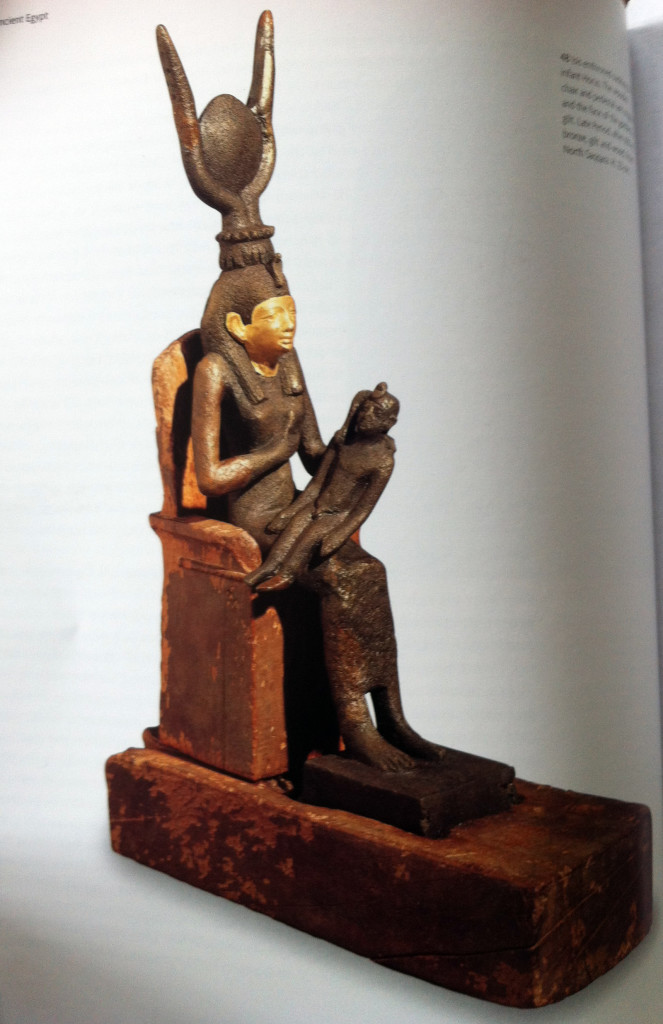
This is my second cycle of Wild Wisdom School year one, which for me and a few others also runs alongside year two. This means there is a double helix pattern that unfolds itself through the year; one month in the time span of year one – meeting themes for a second time – and the next in the time span of year two – meeting themes afresh. However, each weekend with year one feels very different to the previous time because one year later the ears that hear are different ears! In Ancient Egypt this week, our story was of the goddess Isis and her consort Osiris, and our portal into this mythology was through the Biblical mythology of Dinah, Asenath and Joseph*. Last time I heard this story, I was in the beginnings of a beautiful relationship, this time I was in the endings of this relationship. Last time, the Biblical portal was familiar but not close to me, this time the story of Dinah was embedded in my heart after having read Anita Diamant’s telling in “The Red Tent”. These differences in my being direct the focus of my attention in the story. On hearing the story last year, what moved my heart most deeply was the image of Isis crying tears of grief for the loss of her love Osiris, and later tears of joy for his return. Her tears fell to the dry and cracked ground until the waters of the river Nile began to swell, and the land became fertile and full of life once again. This image holds so many layers of truth, revealing (in Sam’s words) “the power of love to restore, heal and rebirth that which is lost, wounded or broken…”
This year, I was so moved and gripped by the story of Dinah and her daughter Asenath, that when we entered the story of Isis I found myself stubbornly not moving on, but rather dwelling for longer with Dinah. In the Bible, Dinah is the only daughter of Jacob and Leah; Jacob being the son of Isaac and Rebekah, Isaac the son of Abraham and Sarah. Like other female characters, there is very little emphasis on Dinah’s story in the Bible, but people like Anita Diamant have dug her up and put flesh to her name. In Sam’s telling, I returned to her passionate story; from her birth to her first blood to the bloody murder of her husband, and then to the story of her daughter Asenath (who in The Red Tent is actually a son). I am reminded of how dynamic and alive story is; never do I hear the same story in quite the same way.
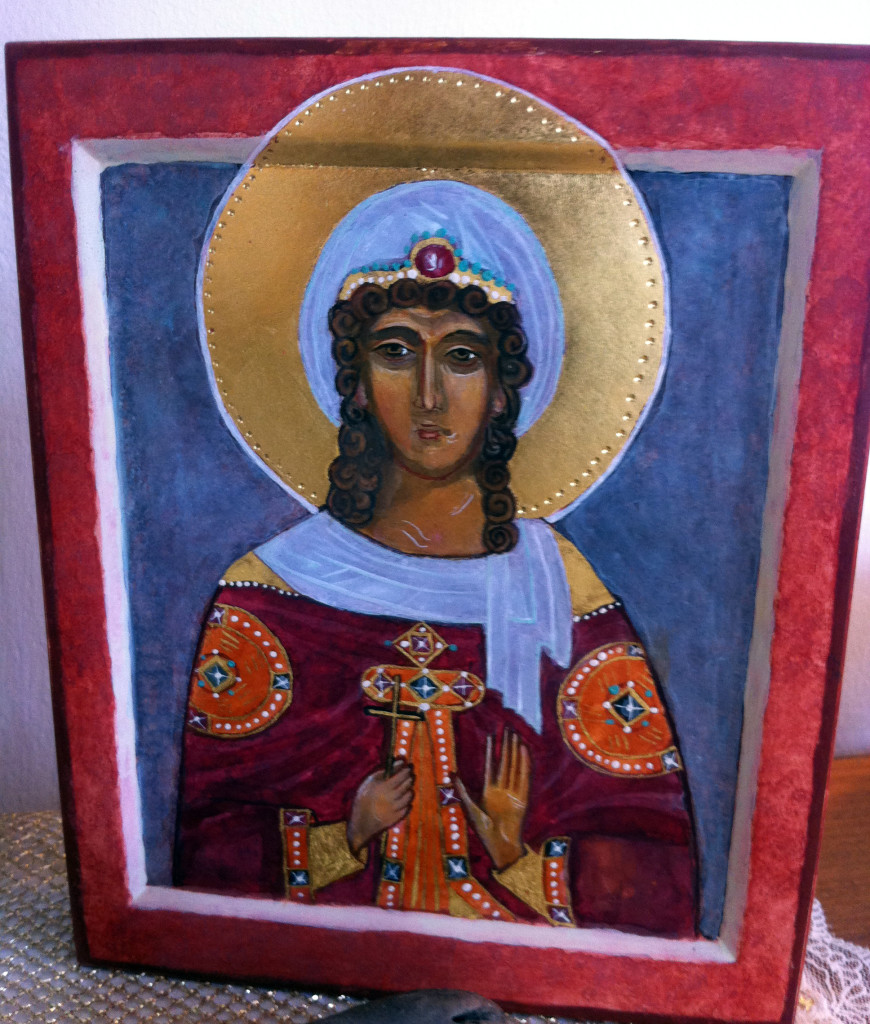
Sacred Icons painted by Sam
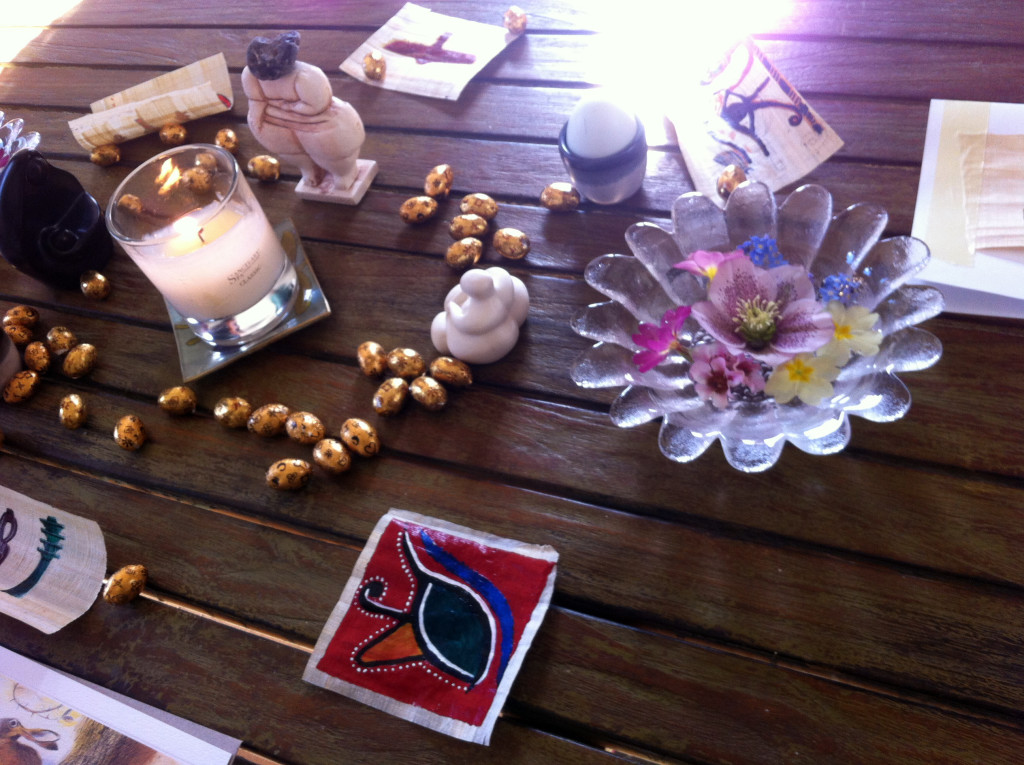
After lunch – a feast as always – we moved into the studio and into a different way of being with the story through Sacred Art. Each with a patch of papyrus and some acrylic paint, we painted symbols and motifs from the myth of Isis and Osiris. We were guided by Sam into the practice of Sacred Art, something she’s been exploring at the Princes School of Traditional Arts (see her icon drawings above). She advised us that “Sacred Art isn’t about what you produce; it’s about what’s going on inside you during the process”. So I slowly felt into which motif I wanted to paint, and it was the Eye of Horus that caught my painting hand. I entered deeply this symbol through painting it, and to paint on the material used at this time in history was very cool. I am certainly no painter, but painting this symbol with such attention and sacred intent, I found something of a love for painting that is very unfamiliar to me! I even loved what I managed to produced, which again is an unfamiliar feeling when it comes to artwork.
Our collection of papyruses, with my Eye of Horus in the forefront.
Our ceremony today was short and simple since we were all a bit too caught up in our pieces of papyrus! But a ceremony it was nonetheless; including sharing in collaborative communion with Jan’s Orange and Ginger vodka, contemplatively appreciating each other’s artwork, and exchanging in hugs. Four weekends on, there is a definite felt sense of love and depth in our Wild Wisdom vessel, and so the journey in the wild seas of the Western Mysteries continues…
*This is a speculative association between the Biblical myths and earlier myths and is based on the location and time period that Dinah is thought to have lived.